


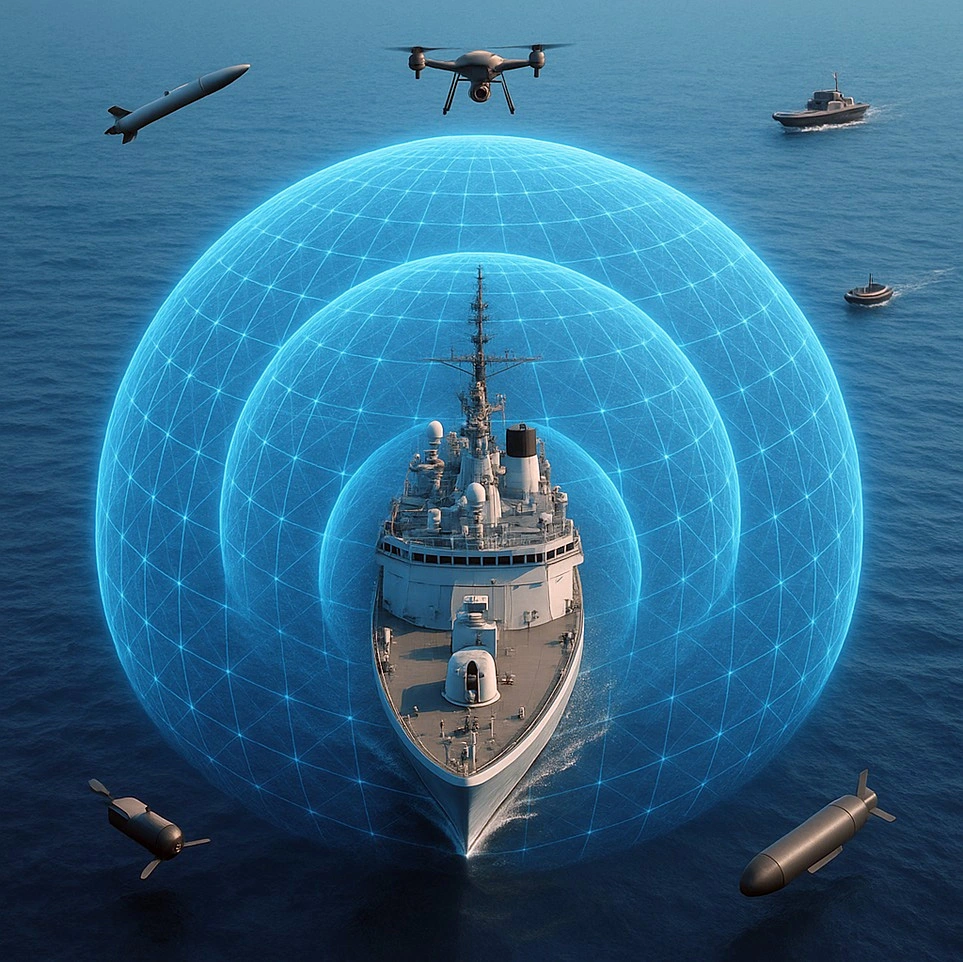
Designed to counter aerial UAVs, surface-skimming USVs, and covert underwater intrusions, BRAHM-KAVACH™ integrates persistent sensing, intelligent threat recognition, and adaptive response mechanisms into a unified defence architecture.Through real-time sensor fusion, autonomous decision support, and layered soft-kill and hard-kill countermeasures, the system ensures early detection, precise classification, and rapid neutralization—stopping hostile unmanned threats well before they breach the protected perimeter.
BRAHM-KAVACH™ is an AI-driven, all-domain counter-unmanned system designed to protect naval platforms, coastal installations, and strategic assets from the full spectrum of modern drone threats. Whether facing aerial UAVs, surface-skimming USVs, or underwater intrusions, BRAHM-KAVACH™ delivers seamless detection, rapid threat classification, and layered neutralization before threats can penetrate the defence perimeter.

BRAHM-KAVACH™ was engineered in response to this evolving threat
environment. Designed to counter airborne, surface, and
subsurface unmanned
threats, it delivers early detection, rapid classification, and
coordinated response—before hostile systems can breach
operational zones.
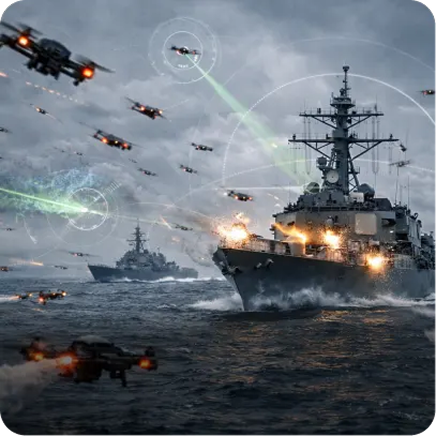
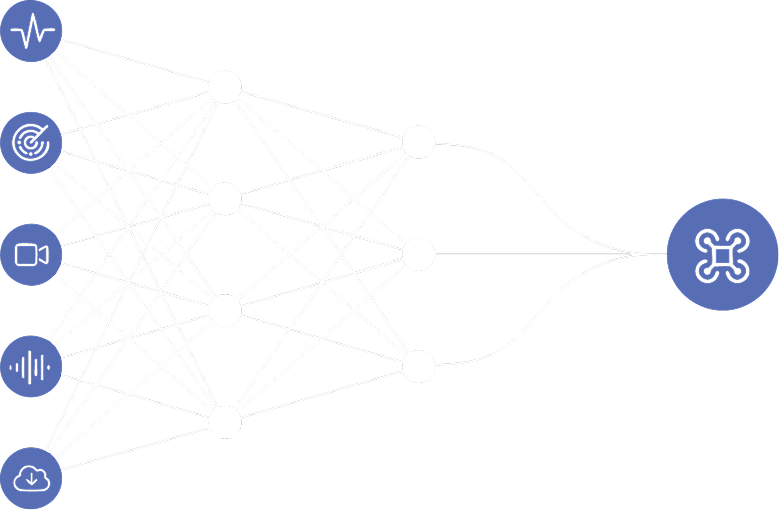
BRAHM-KAVACH™ delivers synchronized defence across air, surface, and underwater domains through a single, unified architecture. The system continuously monitors the battlespace using fused radar, EO/IR, RF, sonar, and acoustic sensors—creating a real-time operational picture without blind spots.
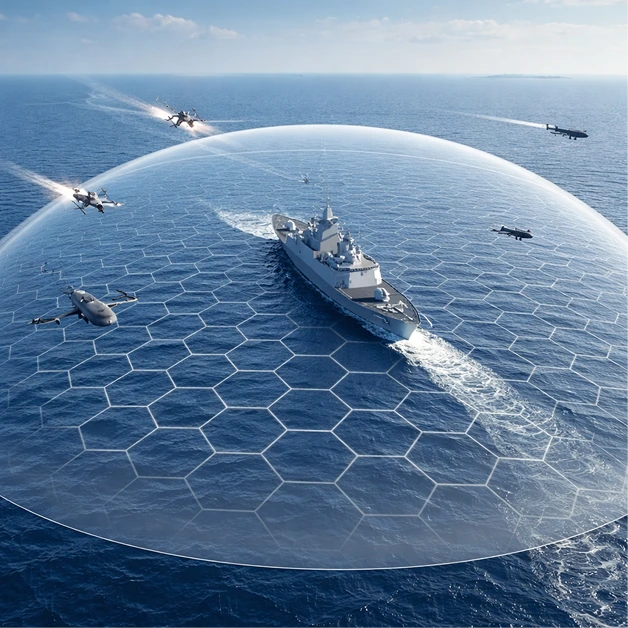
BRAHM-KAVACH™ employs advanced soft-kill countermeasures
designed to disrupt, confuse, and neutralize unmanned threats
before they can engage.
These capabilities operate independently or in coordination,
delivering rapid, scalable response across complex threat
scenarios.

Disrupts satellite navigation to misguide hostile UAVs and USVs, causing mission failure or controlled diversion from protected zones.

Real-time analysis of control and telemetry protocols to identify, classify, and exploit vulnerabilities in unmanned systems.

Interrupts high-speed FPV control and video links, breaking operator control and rendering attack drones ineffective.

Centralized, AI-driven command layer that synchronizes detection, decision-making, and countermeasures across all deployed modules and platforms.
From frontline naval platforms to critical coastal infrastructure, BRAHM-KAVACH™ adapts to diverse missions with modular, rapidly deployable, and scalable protection that integrates seamlessly with existing command networks.
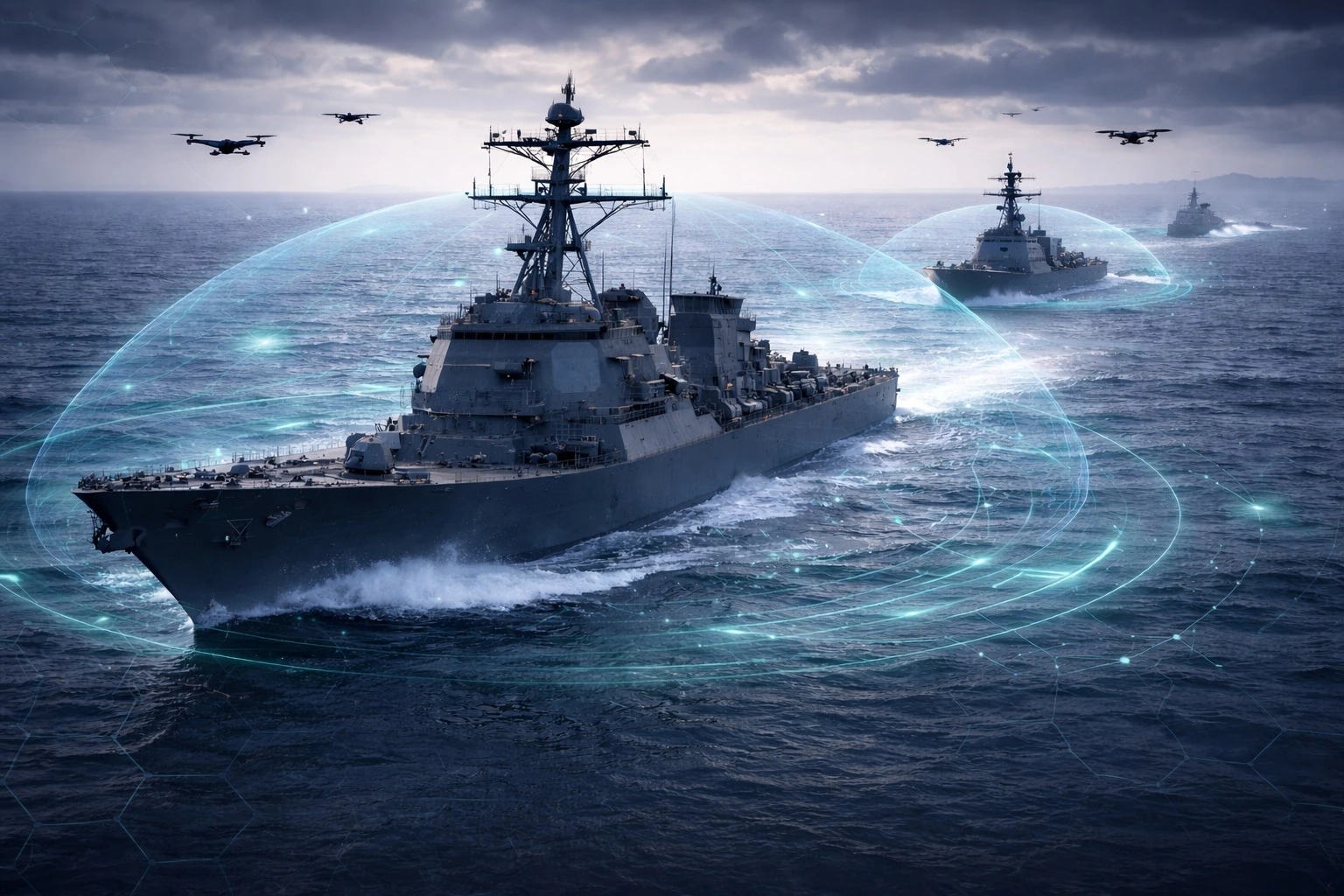
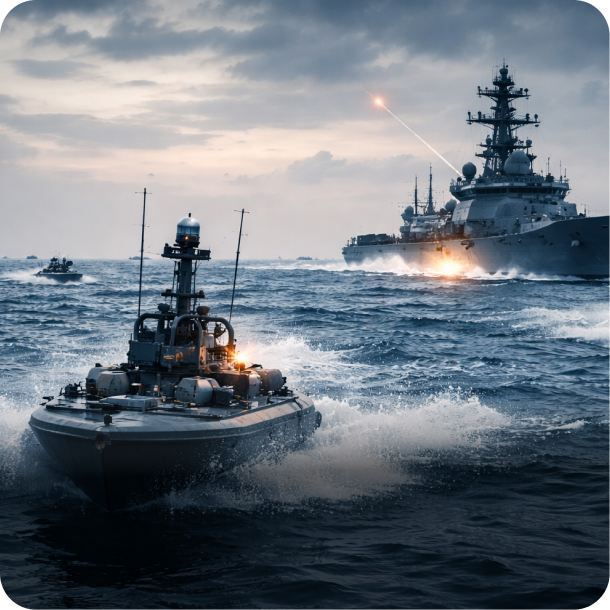
Protects high-value naval combatants from UAVs, FPV drones, USVs, and coordinated swarm threats during patrol and combat operations.
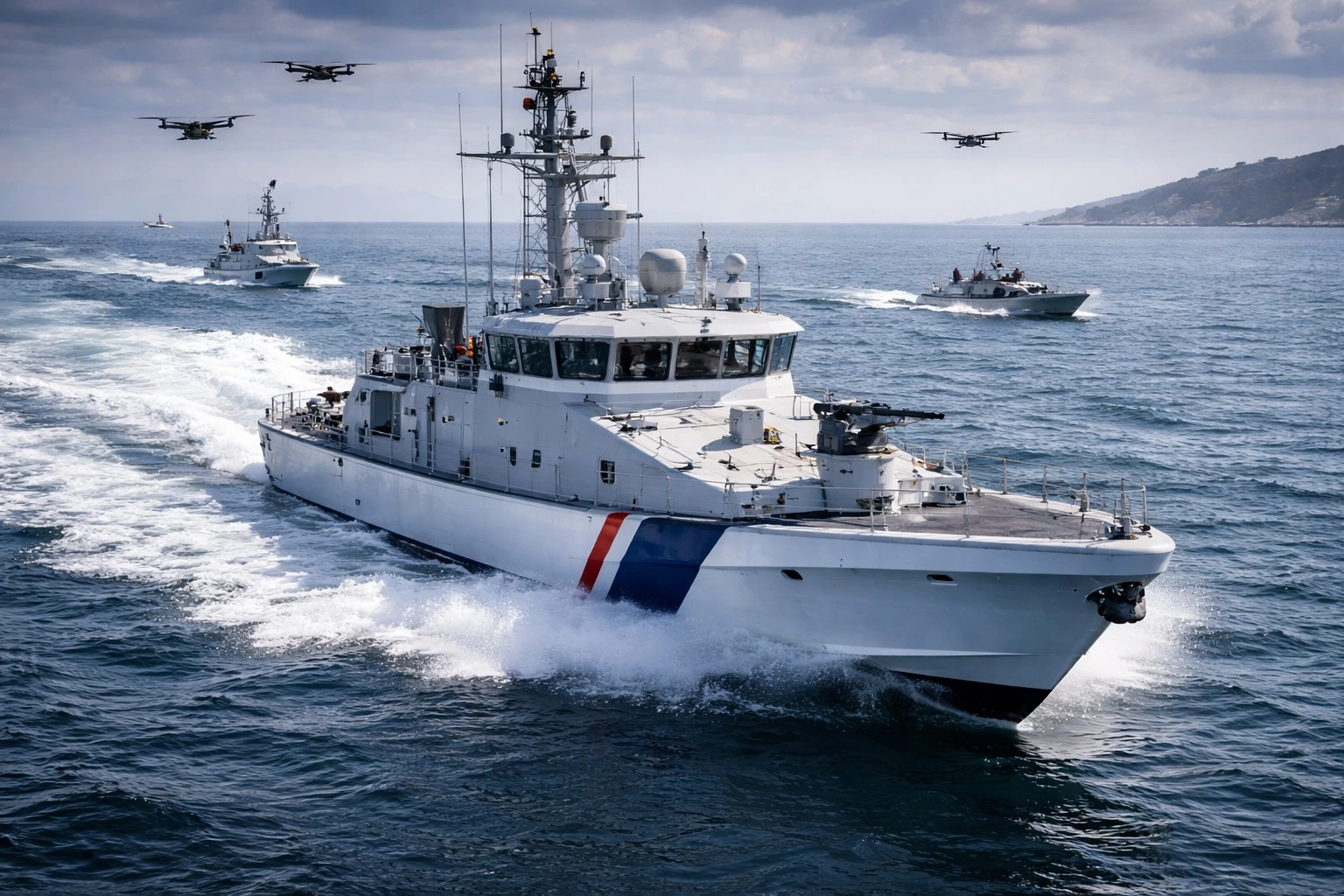
Coastal Surveillance Vessels (CSVs) are purpose-built maritime platforms designed to ensure persistent security, monitoring, and control of coastal and near-shore waters.

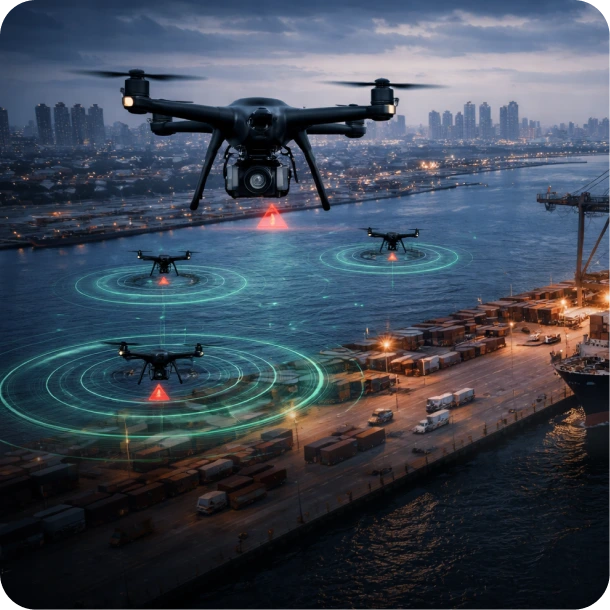
Secures Harbors, Shipyards, And Logistics Hubs Against Surveillance Drones, Sabotage Attempts, And Asymmetric Attacks.
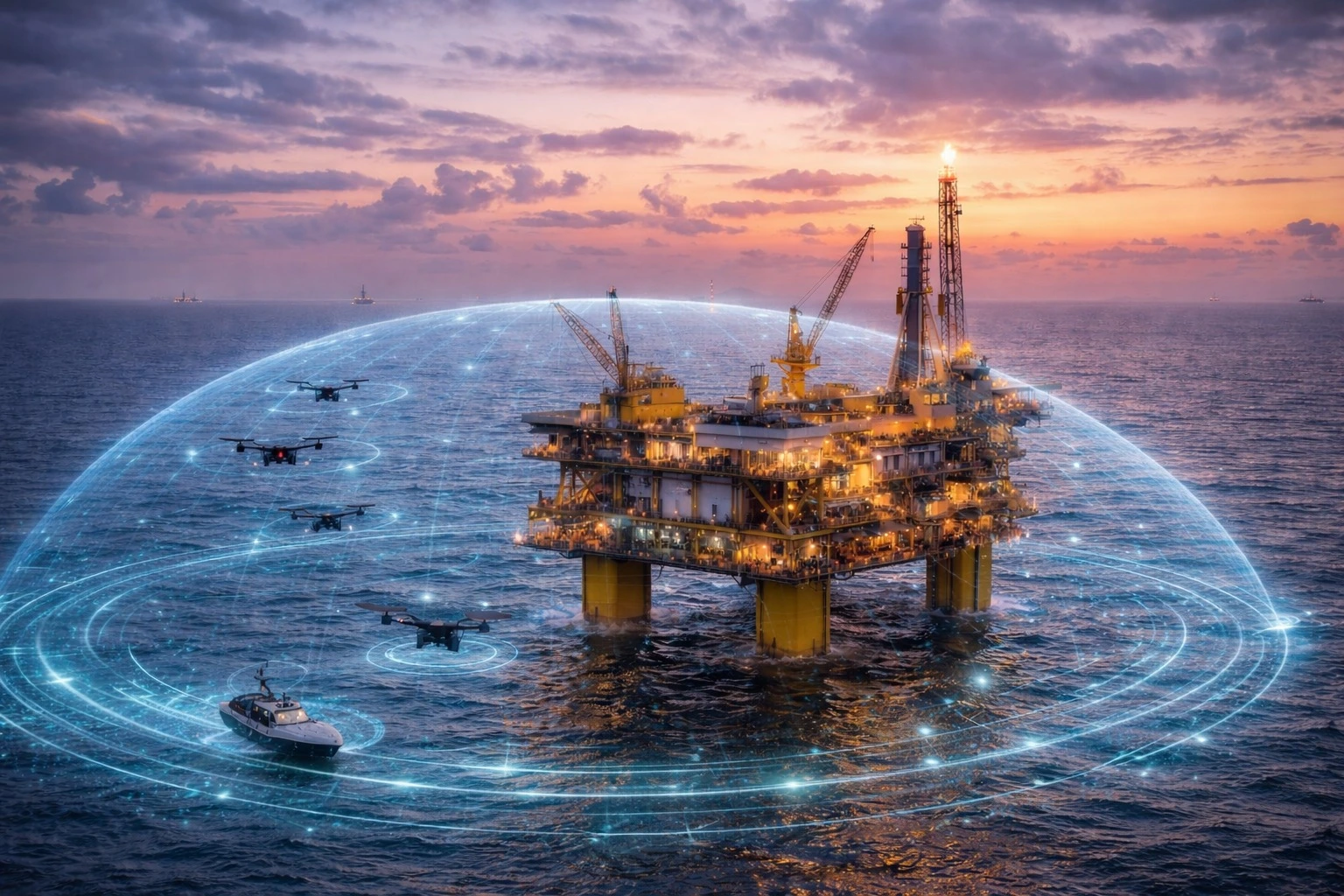
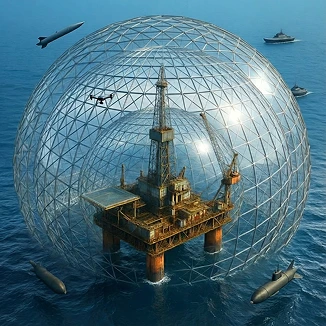
Defends Oil Rigs, Gas Platforms, And Offshore Installations Operating In Isolated, High-Risk Environments.
Explore MCI Defence Technologies’ infrastructure and military solutions, engineered for complex environments and advanced threat profiles—including swarm drones, low-signature UAVs, FPVs, and autonomous surface or subsurface systems.